I Counted Carbs for 600 Kids a Day for 31 Years. At 61, I Couldn't Figure Out My Own Blood Sugar.
I ate the "right" breakfast, took my walks and still watched my morning numbers creep up. What finally made sense wasn't another diet. It was understanding why my cells had stopped listening to insulin.

For 31 years I ran a school cafeteria in Ohio. I planned meals for about 600 kids a day, and I could tell you the carbs in a dinner roll without looking it up.
So when my doctor told me at 59 that my blood sugar was "creeping into the prediabetes range," I was almost offended. Me? I knew nutrition better than anyone I knew.
I did everything he said. I cut the white bread. I swapped soda for water. I walked 30 minutes after dinner with my husband, Ray.
And for two years, my morning numbers kept climbing anyway.
The afternoon crash nobody warned me about
The numbers were only half of it. The part that really wore me down was how I felt.
About an hour after lunch, a wave of tiredness would roll in so hard I'd sit down "for a minute" and wake up at 3:30. Then came the cravings. Not a polite craving. A drive-to-the-store-for-cookies craving.
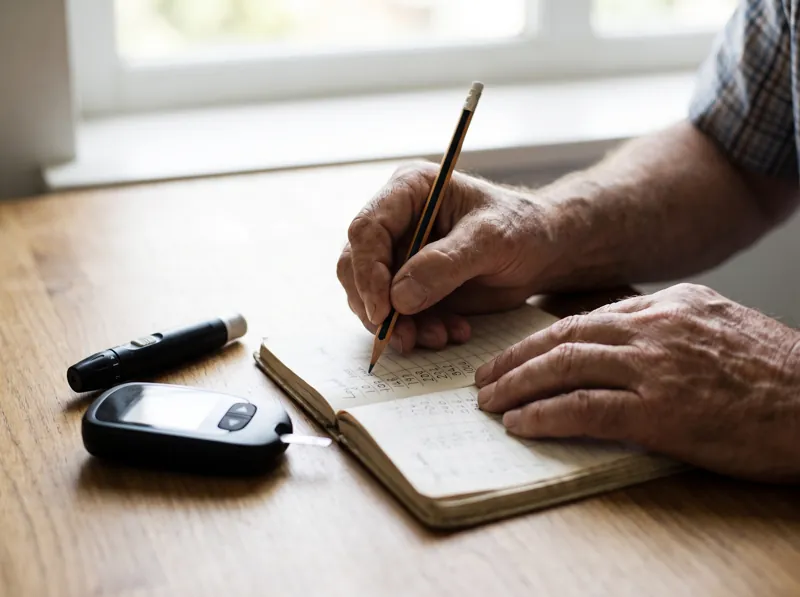
My mother lived with type 2 diabetes for 20 years. I remember her pricking her finger at the kitchen table, and I remember the day they talked about her feet. That memory scared me more than any number on a meter.
The "healthy" breakfast that was working against me
Here is the first thing that surprised me. My breakfast was the problem, and it looked perfect on paper.
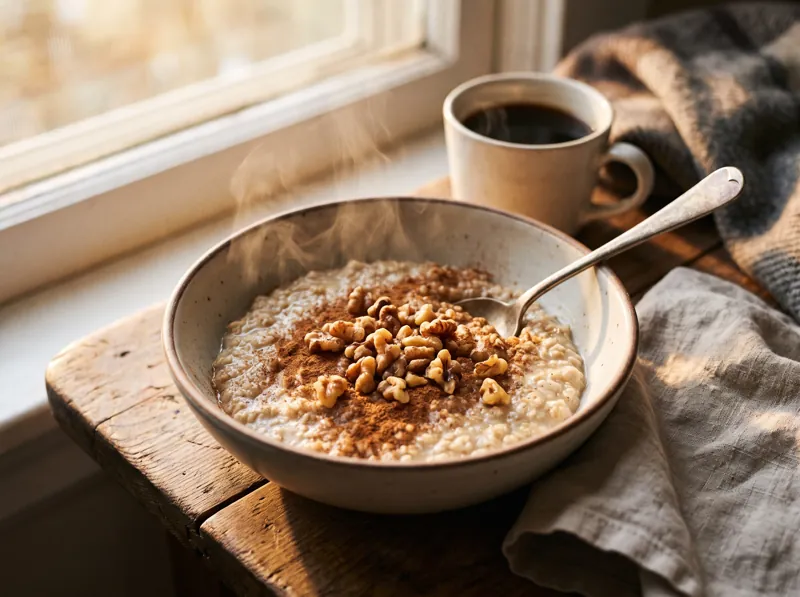
A glass of orange juice. A banana. Whole wheat toast with a little jam. No sugar in my coffee. I was proud of that breakfast.
But when I finally wore a glucose monitor for two weeks, the graph after that meal looked like a mountain. Juice and ripe fruit on an empty stomach send sugar into the blood fast, and my body was struggling to clear it.
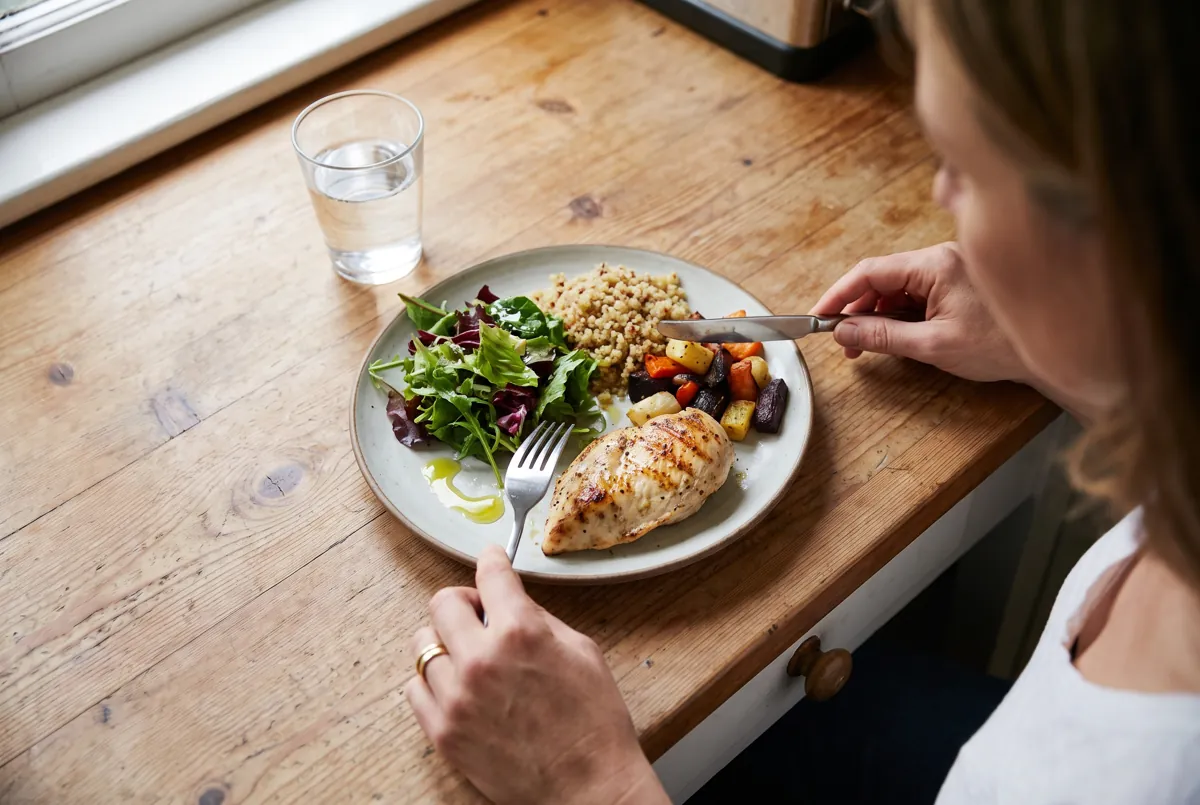
Changing breakfast helped a little. But it didn't explain why my body had become so bad at handling sugar in the first place. That was the question nobody had answered for me.
Why your body stops "listening" to insulin after 50
The answer came from my daughter, Megan, who is a pharmacist. She drew it on a napkin at Sunday dinner, and it was the first time it clicked.
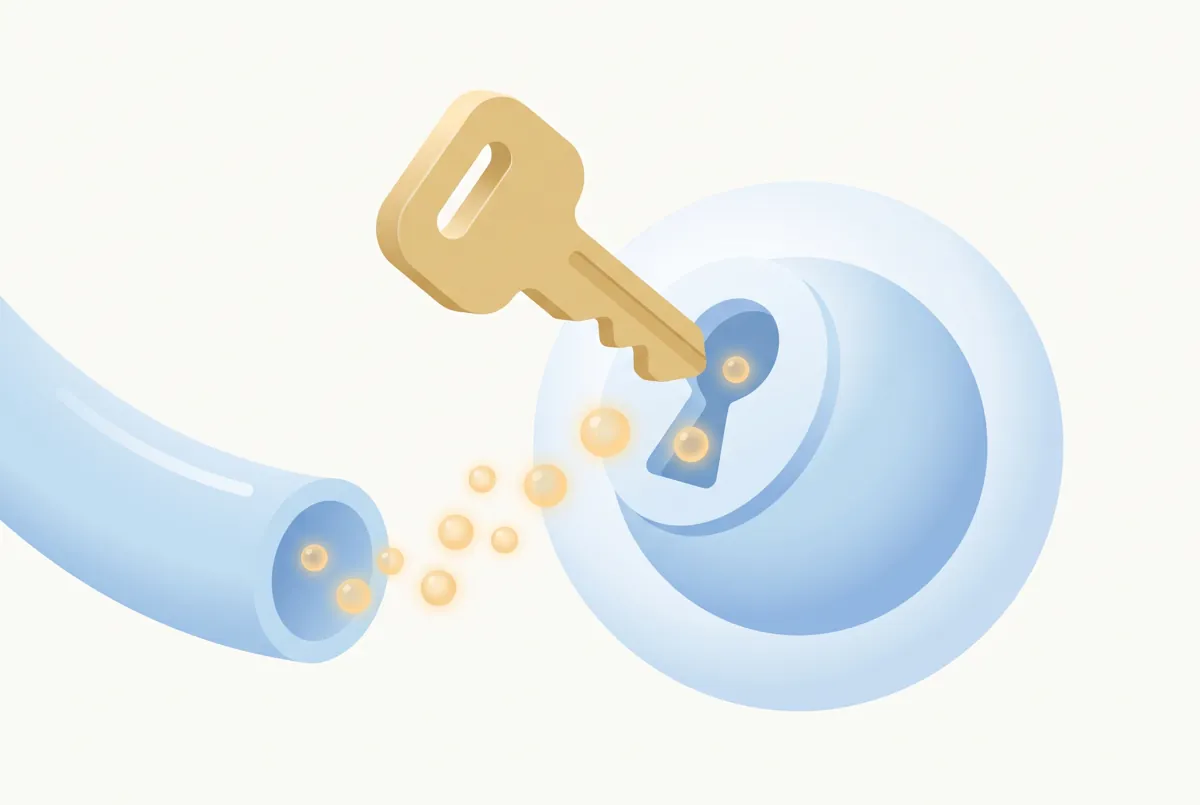
"Mom, insulin is a key," she said. "Every cell in your body has a lock. When you eat, insulin opens the lock so sugar can go inside and become energy."
"But with age, belly weight, stress and bad sleep, the locks get sticky. The key still turns up, but the door won't open. Doctors call it insulin resistance."
When the locks don't open, sugar stays in your blood. Your body pumps out even more insulin to force the door. That's the roller coaster: a spike after meals, a crash, and then the cravings.
I sat there with that napkin and felt something I hadn't felt in two years. Not guilt. Relief. I wasn't lazy. I wasn't failing. My cells had simply gotten worse at using the key.
Does any of this sound like you?
Megan gave me a short list of signs that often show up when the body is struggling with sugar. I checked every single one.
- You feel a heavy energy crash one or two hours after meals
- You crave sweets or bread in the afternoon, almost like clockwork
- You carry extra weight around your middle that won't move, even when you eat less
- Your morning readings keep creeping up even though you "eat right"
If two or more of these sound familiar, talk to your doctor about checking for insulin resistance. And keep reading, because what I found next is what finally gave me back my afternoons.
What I tried before (and why it wasn't enough)
I want to be honest about this part, because I spent a lot of money figuring it out.
- Cutting carbs hard. My numbers dipped, but I was miserable and irritable, and I quit in three weeks.
- Cinnamon capsules from the drugstore. I took them for four months. I honestly couldn't tell any difference.
- Apple cider vinegar before meals. It burned my throat, and I couldn't keep it up.
- A "blood sugar tea" from social media. Expensive, and the ingredient list was mostly flavoring.
Every one of these went after one small piece of the problem. None of them went after the part Megan had drawn on the napkin: how my cells were using the key.
The bottle a customer brought to Megan's counter
A few weeks later, Megan called me from work. A customer in her 60s had brought a small dropper bottle to the pharmacy counter and asked if it was safe to take with her blood pressure pills.
"Mom, it's called Sugar Reset," she said. "I told her to check with her doctor. But I read the whole label, and I want to go through it with you."
I'll be honest, I rolled my eyes. I'd already wasted money on cinnamon and vinegar. But Megan doesn't get excited about supplements, so I let her do her homework.
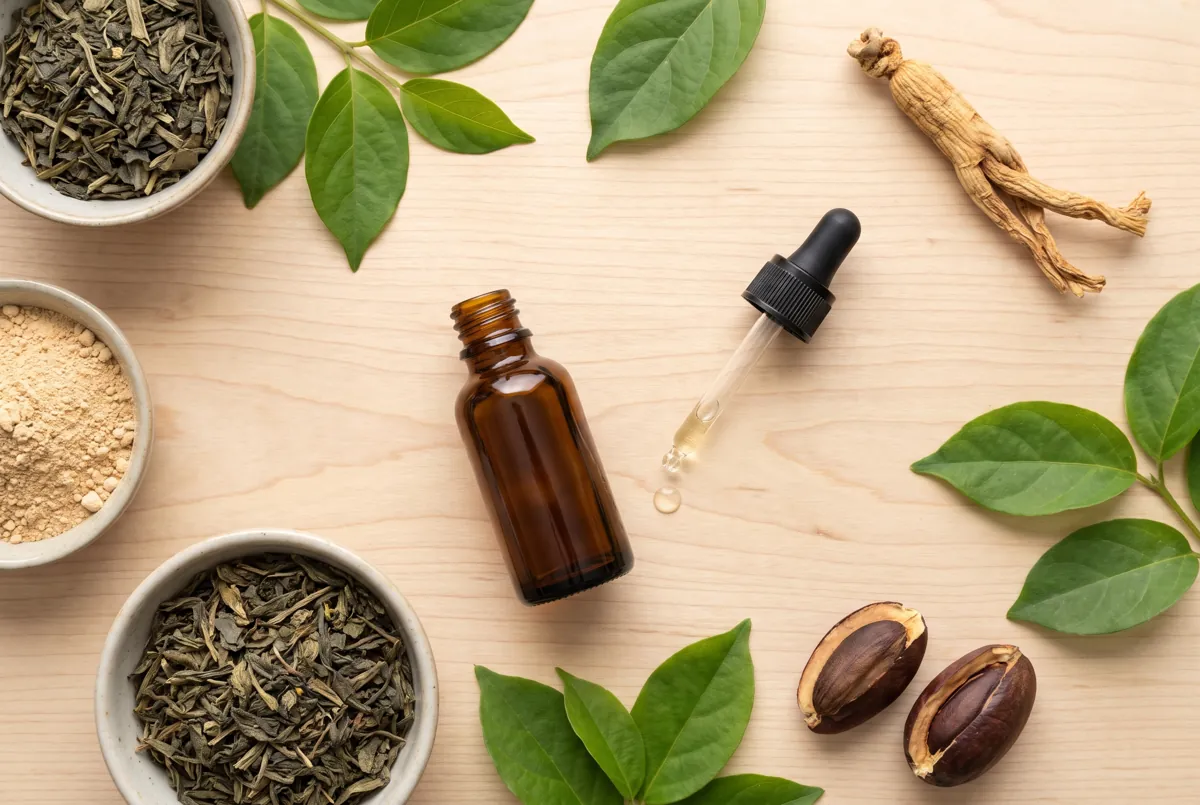
What Megan found on the label
The first surprise: it isn't a capsule. It's a liquid supplement you take with a dropper. At my age, with a pill organizer already on the counter, not having one more pill to swallow mattered more than I expected.
The label lists a small amount of chromium plus a 200 mg blend of 22 plant extracts and amino acids. Megan pointed out the names she recognized:
Then she did what a good pharmacist does and told me what to watch for:
- It's a proprietary blend. The label shows the total weight of the blend, not the amount of each plant.
- The chromium dose is small. "Don't buy it for the chromium," she said. "That's not the reason to try it."
- It contains guarana and green tea, which have caffeine. Skip it at night if you're sensitive.
- It contains grapefruit extract, which can interact with some medications, including certain statins and blood pressure drugs.
- It contains a licorice compound, which at higher amounts can affect blood pressure.
That honesty is what got me. Megan didn't tell me it was magic. She told me what was in it, what the research does and doesn't say, and exactly what to ask my doctor.
So I showed the label to my doctor before I started. He told me to keep checking my numbers and not change my medication on my own. That's exactly what I did.
My routine is simple. Every morning, before breakfast, I shake the bottle, take one dropper and swallow. It takes less time than pouring my coffee.
What changed for me
I'm not going to tell you it was a miracle, because it wasn't. It was gradual, and it was real.
The first thing I noticed, around the third week, was my afternoons. The 2 o'clock crash got softer. I stopped falling asleep on the couch, and the cookie runs mostly stopped because the cravings didn't hit as hard.
Over the next couple of months, my readings stopped swinging so wildly. At my next checkup, we went over my log together, and I kept doing what I was doing.

How to get Sugar Reset (and which package I chose)
Sugar Reset isn't sold on Amazon, in pharmacies or at big retail stores. It's only available on the official website, and orders are processed by BuyGoods, a US online retailer.
I'm careful with money, so I didn't go all in. I ordered the 3-bottle supply to give it a fair 90 days. When those ran out, I ordered again.
- Price: packages start at $49 a bottle with the 6-bottle supply (prices checked September 2026).
- One-time payment: no subscription and no auto-ship.
- 60-day guarantee from the purchase date. The company asks you to use it for at least 30 days before requesting a refund. Read the refund terms on the official website before you order.
- What you'll see: the official order page with three packages. Pick the one that fits you.
Check today's price on the official website:
Check Sugar Reset Availability »Questions I had before ordering
Where can I buy Sugar Reset?
Only on the official website. It isn't sold on Amazon, in pharmacies or in retail stores, so copies you find elsewhere may not be the real product.
How do I take it?
It's a liquid. The label says to shake well and take 1 to 2 droppers daily, placed in the mouth and swallowed. The company recommends taking it in the morning, preferably before a meal.
How long until I notice anything?
Everyone is different, and some people may not notice a change. In my case, my afternoons felt steadier around the third week, and my readings swung less over the next couple of months. Consistent daily use matters, which is why I started with the 3-bottle supply.
Is it a subscription?
No. According to the company, every order is a one-time purchase with no automatic renewals.
Which package makes the most sense?
Each bottle lasts about 30 to 60 days, depending on whether you take 1 or 2 droppers. The 6-bottle supply has the lowest price per bottle. The 3-bottle supply is a good way to give it a fair try. Check current prices on the official website.
Can I take it with my medication?
Talk to your doctor or pharmacist first. The formula contains caffeine sources, grapefruit extract and a licorice compound, which can matter if you take statins, blood pressure medication or glucose-lowering medication. Never stop or change medication on your own.
What if it doesn't work for me?
Orders come with a 60-day guarantee from the purchase date. The company asks you to use the product for at least 30 days first. Read the refund terms on the official website before ordering.
If you've been doing "everything right"
I spent two years blaming myself for numbers I didn't understand. If you're in that place right now, I want you to hear what I needed to hear: it may not be your willpower. It may be how your cells respond to insulin.
I still think about my mother pricking her finger at our kitchen table, and the day the doctors started talking about her feet. I didn't want to be the next woman at that kitchen table.
Keep your walks. Fix your breakfast. Work with your doctor. And if you want to try what fit into my real life, take a look at the official website.
See the packages and guarantee terms on the official website:
Visit the Official Sugar Reset Website »